Transitioning to a plant-forward eating style seemed extraordinarily overwhelming. A multitude of questions flooded my mind:
- What exactly is a plant-forward eating style?
- Why a plant-forward eating style instead of a vegan or plant-based one?
- Where do I begin?
- How do I educate myself about a plant-forward eating style?
- How do I differentiate between facts and marketing?
- How do I use that knowledge to create an eating style that is my own?
Amidst all of these and other questions, I took a few deep breaths and reminded myself that there was no need to rush. This was a journey. Through exploration, time, plus trial-and-error, I would form an eating style unique to my preferences…and one that was influenced by change without being dominated by it. I decided to begin by having a vulnerable conversation with myself.
What type of eating style would I enjoy and sustain for a lifetime without feeling bitter or extremely denied? Am I willing to walk away from ALL animal products or simply reduce my consumption? What are some delicious substitutes for animal products? Is it possible to enjoy a healthy eating style without consuming only organic foods? Must I spend lots of money to eat healthy?
After honest answers to these questions, I decided that a plant-forward eating style would be a great fit for me and my food preferences. I still wanted to enjoy eating lamb, salmon, and other animal protein, as well as using chicken stock to add flavor to rice, soups, and other dishes. Although initially hesitant, I was opened to the idea of experimenting with animal product substitutes like oat milk. 😁 Finally, I refused to bust my budget so that my food could be labeled ‘organic’.
LOTS of Google searches filled my mind with a myriad of terms to describe a plant-forward eating style. Whenever I thought I understood, other descriptions confused me: plant-rich, flexitarian, whole foods plant-based, animal and plant protein blends, and climate-smart food choices were among them. The following definitions were a ray of sunshine that helped me emerge from the ‘rabbit-hole’ of descriptive terms.
The American Heart Association defines a plant-forward eating style as “a style of cooking and eating that emphasizes plant-based foods but is not strictly limited to them. Meat may be included but it’s usually not the main feature of the meal.” (https://www.heart.org/en/healthy-living/healthy-eating/eat-smart/nutrition-basics/how-does-plant-forward-eating-benefit-your-health)
The Culinary Institute of America (CIA)® begins with the same premise and expands with a bit more detail. The CIA® defines a plant-forward eating style as “A style of cooking and eating that emphasizes and celebrates, but is not limited to, plant-based foods—including fruits and vegetables (produce); whole grains; beans, other legumes (pulses) and soy foods; nuts and seeds; plant oils; and herbs and spices—and that reflects evidence-based principles of health and sustainability.” Source: Menus of Change, a joint initiative of the CIA® and Harvard T.H. Chan School of Public Health—Department of Nutrition. For more information, please visit: www.menusofchange.org (https://www.plantforwardkitchen.org/overview)
Basically, my plant-forward eating style would emphasize plant-based foods without completely excluding animal products. If I wanted to enjoy red beans and rice, I could cook the beans in an aromatic chicken stock and serve them with raw or prepared vegetables…without thinking and feeling as if I betrayed my body somehow. Still, I could consume a turkey burger with a Naan ‘bun’ by reducing its size and adding a side of veg. My beloved greens & grains bowls could flow freely.😁 (Unfortunately, I would have to enjoy them without CAVA®’s pita chips. #crunchydeliciousness)
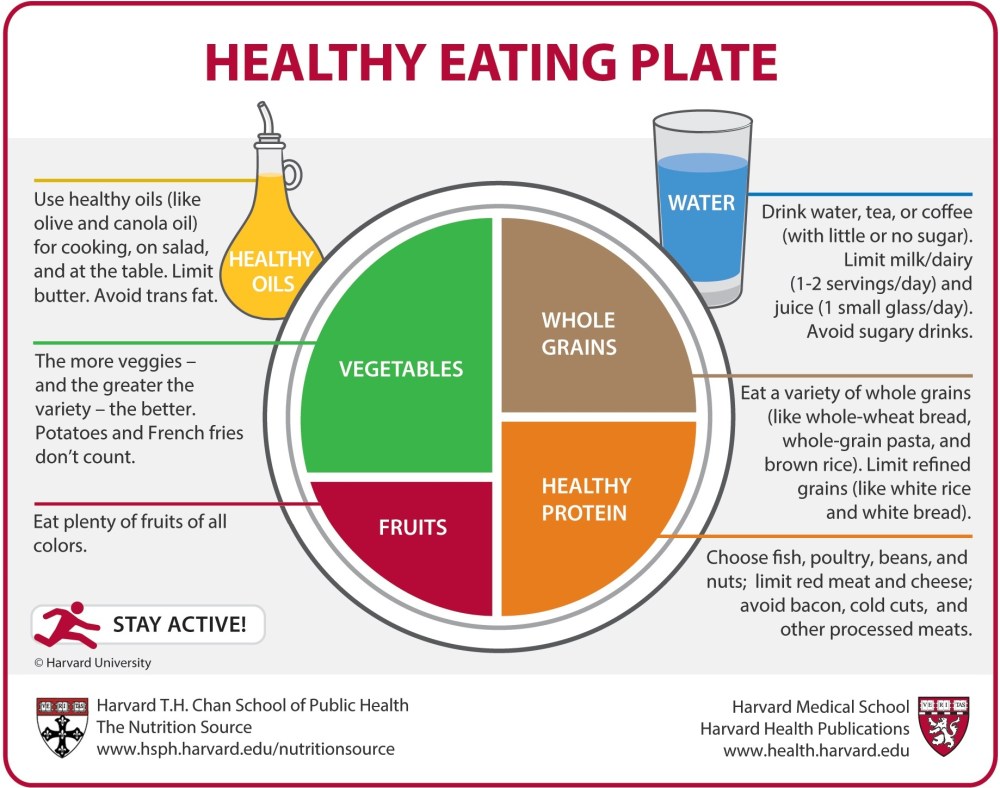
Harvard School of Public Health created a ‘healthy eating plate’ guide that I found extremely helpful for renewing my perspective and embracing the flexibility of a plant-forward eating style. My meals can be 75%-85% plant-based with 15%-25% animal protein, completely 100% plant-based, or a rotation of both!
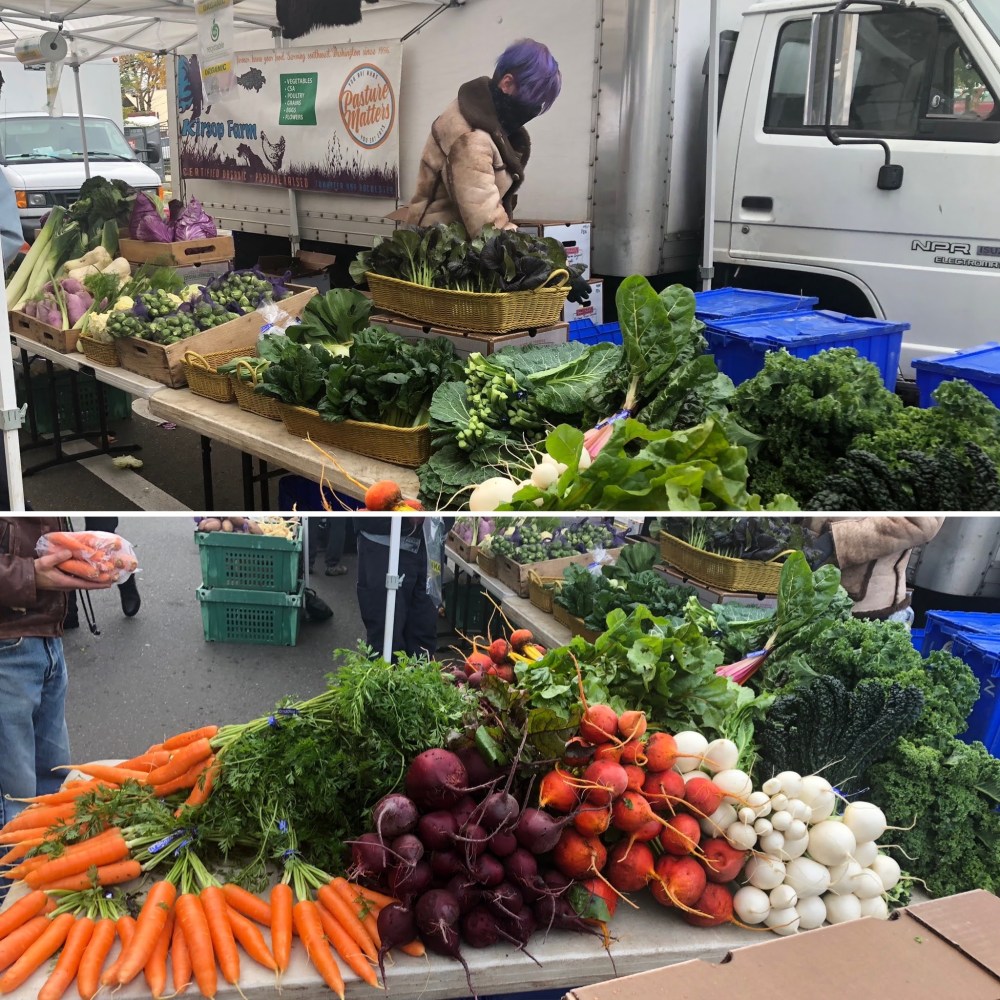
Excited to finally settle on a particular eating style, I set my sights towards my next task…exploring fruit & produce stands (F & P) and farmers markets.
#bws #plantforward #foodlove #authenticallylovingmyself #fruitandproducestand #farmersmarkets
 Black Wood Spoon